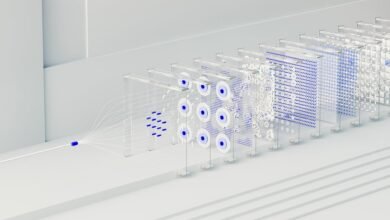
A structured approach to boosting workflow efficiency begins with diagnosing the current process map to reveal bottlenecks and redundancies. This is followed by deploying targeted automations and tools that align with validated workflows. A compact daily routine minimizes context switches while preserving throughput. A disciplined feedback loop then measures impact, guiding timeboxed trials that scale successful changes and sustain auditable, autonomous processes for strategic work expansion. The question remains: where to start your first diagnostic scan for immediate gains.
How to Diagnose Your Current Workflow for Quick Wins
A practical diagnosis of a workflow begins with mapping current steps, data, and handoffs to identify bottlenecks, redundancies, and time sinks. The process emphasizes diagnostic groundwork to reveal inefficiencies and align resources.
Essential Tools and Automations to Slash Repetitive Tasks
To reduce repetitive tasks, teams should deploy a targeted set of tools and automations that align with the validated workflow map from the prior diagnosis.
The approach emphasizes automation audits and seamless tool integrations, enabling measurable time savings, consistent outputs, and auditable processes.
Decisions emphasize clarity, governance, and freedom to reallocate effort toward strategic work without compromising reliability.
Build a Focused, Scaled-Back Daily Routine
A focused, scaled-back daily routine consolidates core tasks into a compact, repeatable sequence that maximizes throughput while preserving quality.
The approach emphasizes defined blocks, minimal context switching, and predictable outcomes.
It presents a data-informed cadence that supports autonomy, reduces decision fatigue, and enables scalable habits.
The focus daily routine optimizes work hours with clear priorities and measurable progress.
Measure, Iterate, and Scale Your Efficiency Gains
Measure, iterate, and scale efficiency gains by establishing a disciplined feedback loop: quantify impact with defined metrics, test small changes, and amplify those that yield reliable improvements. The approach uses workflow mapping to reveal bottlenecks, and a timeboxing cadence to constrain scope. Results are tracked, standardized, and scaled, enabling autonomous teams to sustain measurable gains and informed freedom.
Conclusion
This article quietly demonstrates how organizations can redirect friction into flow, painting efficiency as a measured, attainable horizon. By diagnosing bottlenecks with precision, deploying targeted automations, and settling into a disciplined, data‑driven routine, teams experience a gentle uplift in throughput without upheaval. The approach emphasizes auditable processes and timeboxed trials, reframing complexity as manageable steps. In doing so, energy shifts toward strategic work, while everyday tasks become smoother, more predictable, and less burdensome for everyone involved.